
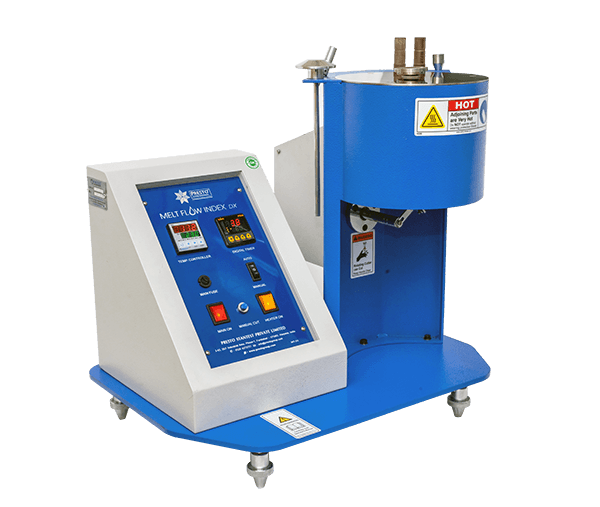
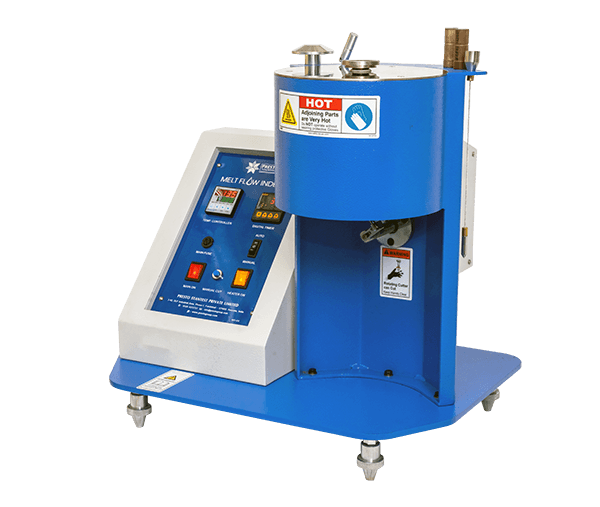
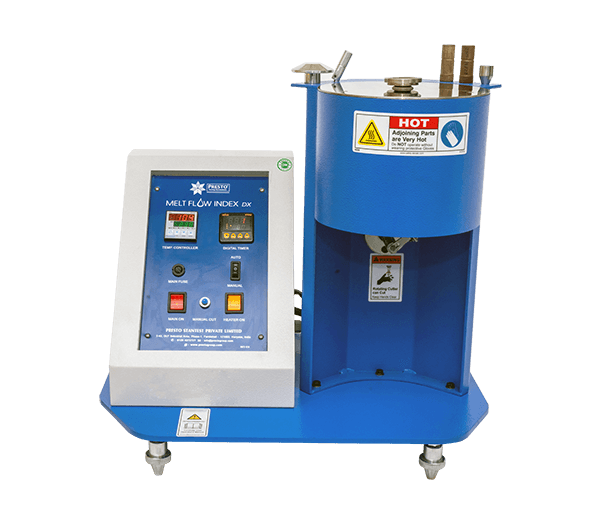
Model : MFI - DX
A Melt Flow Indexer is an accurate measuring tool that assesses a polymer’s ability to flow as a melt (also referred to as a Melt Flow Rate, or MFR). This measurement is critical in the plastics industry and is frequently used to assess the quality of a polymer. When MFR is determined, a producer has confirmed that a polymer meets processing requirements and performance requirements that will affect the end-product’s consistency, durability, and usability.
A Melt Flow Indexer is an analysis device that measures the flow characteristics of thermoplastic polymers under a defined temperature and pressure. The Melt Flow Rate (MFR) measures the relative rate at which the polymer melts and flows under heat, and it is an indicator of molecular weight and processability.
There are advanced possibilities for utilizing this test in a variety of industries, such as packaging, automotive, and construction. Here, reliability and processability will provide an opportunity to develop a high-quality functional plastic product.
Melt Flow Index (MFI) testing evaluates flow properties of a polymer and provides manufacturers with information to give details about the polymer's potential performance in each intended use. The MFI test procedure includes first heating a barrel containing the polymer sample to the melting temperature. Once melted, a predetermined weight is placed in the barrel, applying pressure to push the molten polymer through a narrow die. The weight of the extrudate polymer is then determined for a period of time, providing the Melt Flow Rate (MFR).
The MFR gives the user an indication of flow properties of the polymer relative to molecular weight. The MFR helps the manufacturers ensure the quality of the polymer, provide initial information for processing adjustments, and ensure the structure of the polymeric material is consistent. MFI testing is performed by many types of industries, including packaging, automotive, and construction, to make sure they meet desired performance specifications provided by the manufacturer in applications.
Here are the benefits of the Melt Flow Indexer:
Product Quality Management
Melt Flow Indexers allow for precise determinations of polymer flow characteristics, giving the makers confidence that materials will perform consistently. With the measurement of melt flow rate (MFR), even early, it is possible to recognize changes in the polymer formulation or in the processing of it, thus avoiding defects and providing assurance of consistent batch quality and final product performance.
Process Optimization
By comprehending the melting flow behavior of a polymer, manufacturers can change the operating conditions, such as temperature, pressure, and extrusion speed to develop operational efficiencies, reduce waste of the material, and have an easier time managing the process, which leads to polymer that will better perform in processes like molding, extrusion, or film blowing.
Material Selection
Melt index tester data helps designers and engineers select the correct polymer grade for an application. Knowing the flow behavior which relates to compatibility with process equipment and specific applications, whether manufacturing flexible films, rigid parts or automotive components will enhance product performance, and ultimately reduce the probability of processing issues.
Cost Effectiveness
Melt flow monitoring prevents excessive material wastage and minimizes the potential for production defects. Use of polymers with suitable MFR allows processors to maximize processing, minimize energy usage, and prevent reworking or scrap, achieving cost savings while ensuring uniform quality and performance levels.
Standardization and Compliance
MFI testing adheres to set procedures, yielding reproducible results in accordance with industry standards. This serves to enable manufacturers to prove regulatory and customer compliance, provide consistency between batches of product, and establish confidence in the quality of the polymer for high-stakes applications across automotive, packaging, and construction industries.
Here are the major applications explained in detail:
Production of Plastics
The Melt Flow Index (MFI) has become a common method used throughout the plastics industry to make polymers with controllable flow properties. By measuring melt flow, producers can ensure batch consistency, develop extrusion and molding processes, and produce plastics with predictable mechanical and thermal properties.
Quality Control
MFI testing is a critical component of quality control in plastics processing. It serves to identify changes in polymer composition, molecular weight, or processing conditions, such that materials conform to specified requirements and perform uniformly in end-applications such as packaging films, containers, and auto parts.
Material Development and Research
In the context of research and development (R&D), melt flow index (MFI) measurement aids engineers and scientists in either developing new grades of polymer or reformulating existing grades of polymers.
Once they understand the flow properties, they can formulate the polymer for specific processing techniques, mechanical properties, and for the final use applications. This process leads to new and innovative products in packaging, automotive, construction and consumer industries.
Injection Molding and Extrusion
The MFI information informs process engineers on selecting the right polymer for injection molding or extrusion. When the melt flow rate is known, molds can be filled properly, parts can be uniform, and defects, including voids or warping, can be avoided. This is a more efficient process and minimizes the use of material.
Automotive and Construction Applications
Automotive parts, insulating materials, tubing, and building materials made of polymers rely on consistent flow properties for function and durability. MFI testing is a useful way to ensure these items meet process and mechanical specifications, giving rise to reliable and durable end products that end-users can trust.
We recommend the Presto Instruments Melt Flow Indexer due to its accuracy and reliability along with conformance to standards such as ASTM D1238 or ISO 1133. It contains a microprocessor based control system to maintain stated temperature settings; a digital temperature readout for easy visibility; an automatic timer; and an auto cut-off function which will enhance the efficiency of your testing and reduce operator error. Additionally, with Presto's history and emphasis on durable construction, they will provide a good alternative for quality control or research and development.
Presto Instruments is a leading manufacturer and supplier of Melt Flow Index in Zambia. For the best price, contact us for a quote or call now!


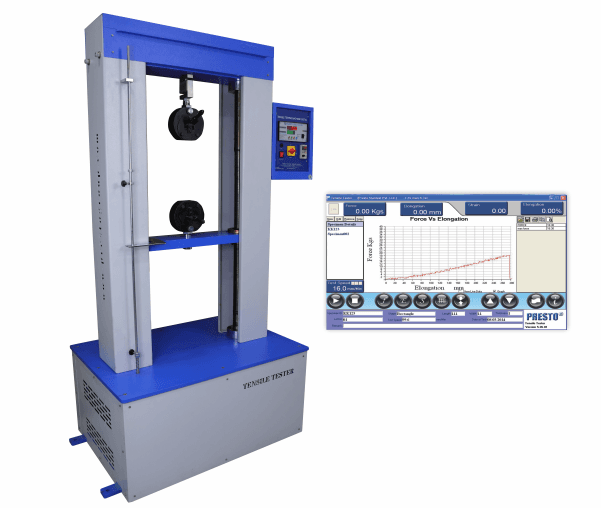
The Digital Tensile Testing Machine (Capacity: 2500KG) is a robust and precise instrument designed to measure tensile, compression, and elongation properties of materials. Featuring a digital display for accurate readings and user-friendly controls, it ensures reliable performance for quality testing in labs and industrial applications.
Read More
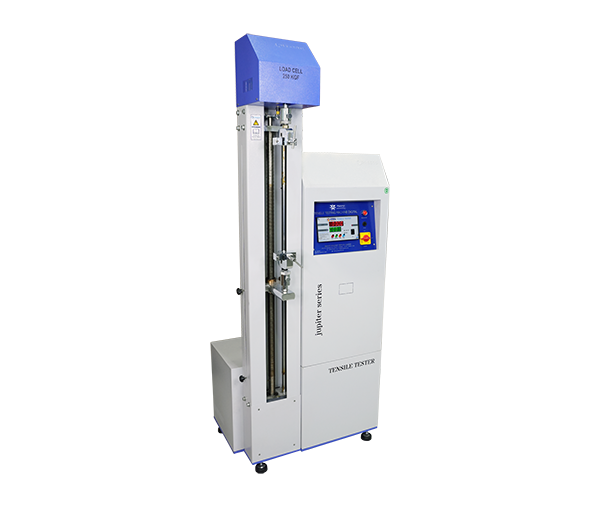
A Tensile Testing Machine Digital is a precision testing instrument designed to measure the tensile strength, elongation, and other mechanical properties of various materials such as metals, polymers, rubber, textiles, and components.
Read More
At Presto, we take pride in being Global manufacturers of Laboratory Testing Instruments for different industries.