
17-Mar-2026
Presto Instruments
Mechanical stress to plastic packaging is always experienced during the supply chain. Packaging materials are subject to abrupt shocks and impacts during loading, transportation, stacking on the pallets, and handling, which may result in cracking, puncturing, or brittle fractures. In cases of such failures, manufacturers experience product leakage, contamination, shipment rejection, and destruction of brand image.
The packaging of these products faces especially high demands in the case of companies that work in export markets, such as in South Africa, where the packaging should last a long distance of logistics and be able to withstand different environmental conditions. Consistent impact strength tester systems also assist the packaging engineer to detect weak areas in materials, maximize formulations, and maintain consistent packaging strength.
The industries in South Africa that are underpinned with the help of the packaging industry are food and beverage, pharmaceutical, agriculture, chemical, and consumer goods. In such industries, even the products are usually shipped over a long distance, and thus packaging reliability is a major key performance.
During distribution, plastic packaging may encounter:
These forces may cause impact-related failures, particularly in rigid containers, bottles, and thin plastic films.
One of the mechanical properties of plastic packaging materials is impact resistance, which is critical. In contrast to tensile or compression strength, impact strength is a measure of the behavior of materials to high strain-rate forces, analogous to the drop or shock events in reality.
Distribution Damage Prevention
Impact testing helps predict how packaging will behave during transportation and handling.
Material Optimization
Impact toughness is dependent on polymer blends, additives, and processing parameters. Testing assists engineers to settle on the best material compositions.
Production Quality Control
Modifications in processing conditions (extrusion temperature or rates of cooling) may change the toughness of materials. The consistency in batches is achieved by routine testing.
Regulatory Compliance
Many industries require packaging materials to meet international testing standards before they are approved for use.
Cost Reduction
Anticipating defective materials early will help to avoid failure of massive production and expensive recall of products.
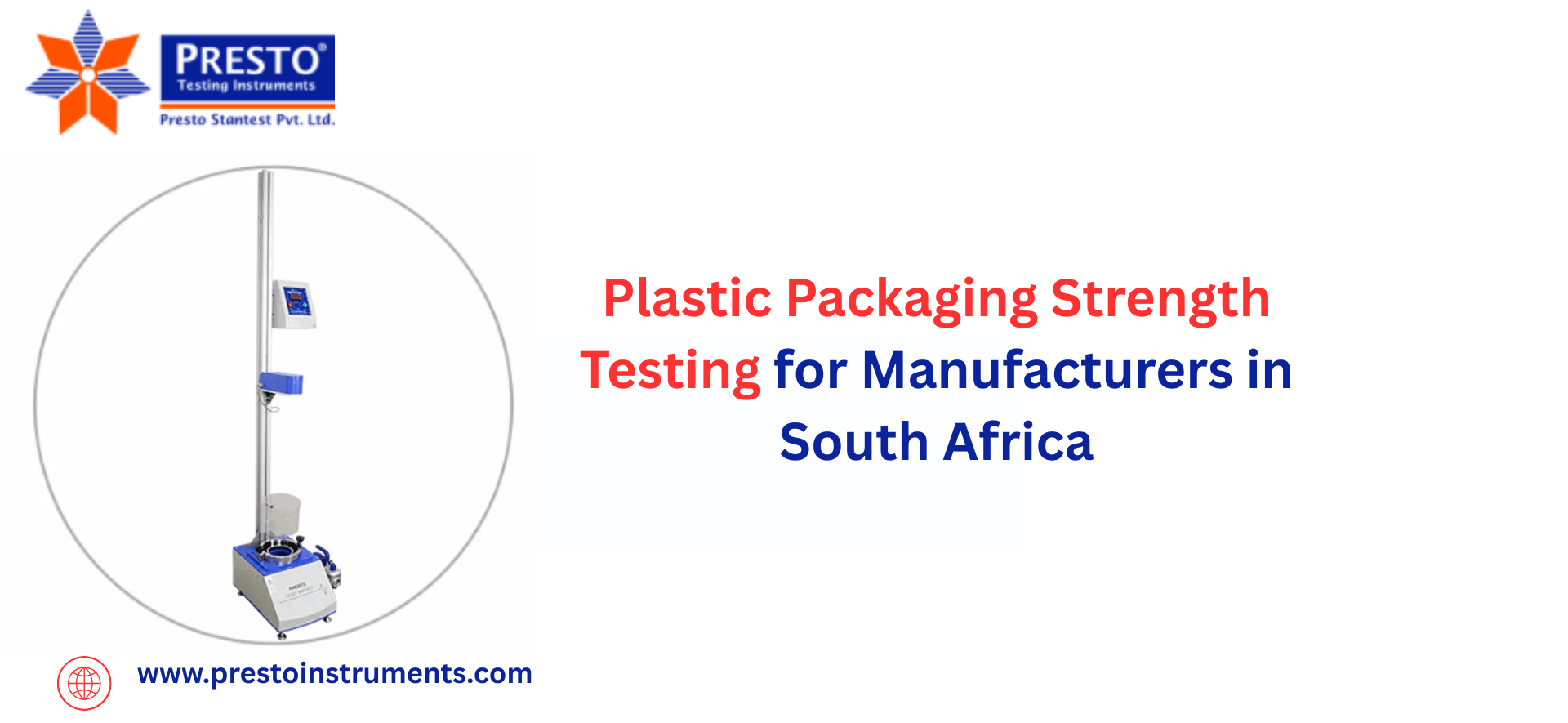
A tester is used to measure the energy that a material takes amid a sudden impact. It aims at establishing the capacity of the material to withstand fracture.
1. Specimen Preparation
Plastic specimens are prepared according to standardized dimensions defined in testing protocols. Some tests use notched specimens to study crack propagation behavior.
2. Controlled Impact Delivery
A pendulum or falling-weight mechanism strikes the specimen with a known amount of energy.
The impact energy is calculated using:
E = m × g × h
Where:
3. Energy Absorption Measurement
The loss of energy at the impact is measured by sensors, and this relates to the energy taken by the specimen.
4. Failure Mode Evaluation
Engineers analyze fracture patterns to understand material behavior, including:
Modern impact resistance tester systems have digital displays and record data automatically in order to achieve accurate and repeatable testing results.
Key Features and Benefits
The new impact strength testing equipment is made with high accuracy and working reliability.
Robust Construction
Heavy-duty frames ensure vibration-free testing and consistent impact energy.
Precision Impact Mechanism
Calibrated pendulum systems deliver repeatable impact forces.
Digital Measurement Systems
Microprocessor-based displays provide accurate energy absorption readings.
Versatile Testing Capability
Suitable for plastic films, sheets, molded parts, and rigid packaging materials.
Operator Safety
These characteristics help an impact tester to become a valuable part of high-tech laboratory equipment.
These features make an impact tester an essential component of advanced lab testing equipment.
Technical Specifications
Common requirements of professional impact strength testing equipment are
These requirements guarantee the stable performance of the heavy-duty testing machines in industries.
Applications Across Industries
Although primarily used in plastic packaging quality control, impact strength testing supports several manufacturing sectors.
Plastic Packaging Industry
Testing containers, caps, films, and bottles.
Automotive Industry
Assessing plastic interiors and housing.
Consumer Electronics
Testing plastic and packaging.
Pharmaceutical Packaging
Ensuring containers withstand transportation stress.
Food & Beverage Industry
Checking on the resilience of the bottles, tops, and storage containers.
Compliance with International Standards
The testing procedures in Reliable Impact Strength Testing should be in accordance with the testing procedures worldwide. Standardized techniques provide similar and equal outputs between labs.
The most frequently mentioned standards are:
Presto Instruments is a reputable manufacturer of impact testers and supplier of high-precision impact testing instruments in the world.
Key advantages include
Such functions make Presto Instruments a dependable supplier of packaging companies that require precise and reliable industrial testing devices.
Call Presto Instruments today and get a technical consultation on their products, product specifications, and even live demonstrations, depending on your laboratory demands.
FAQs
1. Why is an impact resistance tester important for packaging?
It helps determine whether packaging materials can withstand shocks during transportation and handling.
2. Which plastics require impact testing?
PE, PP, PET, PVC, and other polymer materials of such packaging are common materials.
3. Why is the plastic packaging prone to impact failure?
These factors are brittle material composition, low temperature exposure, and inappropriate processing conditions.
Elevate your quality assurance process to new heights
At Presto, we take pride in being Global manufacturers of Laboratory Testing Instruments for different industries.