
15-Jun-2026
Presto Instruments
The Egyptian industrial sector is one of the most important growth periods that it has experienced in decades. Whether it's the growing number of petrochemical plants lining the shores of the Suez Canal, the automotive assembly plants clogging Greater Cairo, or the megaconsistent construction activity at Ain Sokhna's industrial zone, the need for precision material testing has never been greater.
A universal tensile testing machine in Egypt is no longer a luxury instrument reserved for large multinationals—it is a foundational quality tool that determines whether a polymer pipe holds pressure, whether a rubber seal performs under heat, or whether a plastic film survives packaging line speeds without splitting.
This blog explores how high-force universal testing machines work, which industries across Egypt depend on them, what international and local standards govern the process, and why Presto Stantest has become the preferred UTM machine manufacturer for quality teams from Airo to Alexandria.
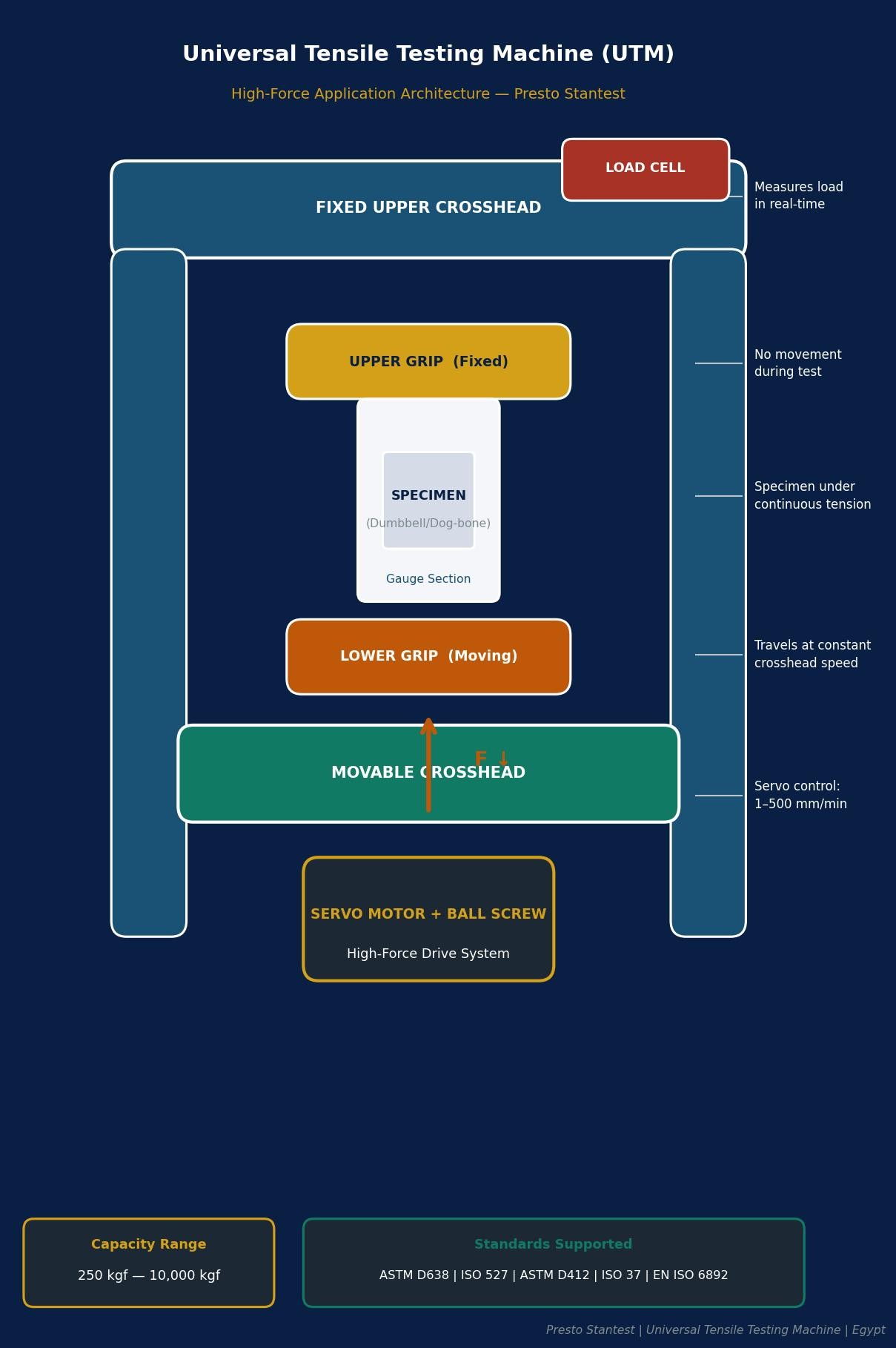
Figure 1: Presto UTM Machine Architecture—High-Force CRT Design with servo motor and load cell
A materials testing machine for simulating a variety of loading conditions, including tensile (pull) loading, compressive (push) loading, flexural (bend) loading, and peel loading, while simultaneously measuring the force-displacement curve as the load is applied to a specimen. Unlike a single-purpose tensile machine, the word ‘universal' is used to identify the machine's capability to operate in a number of test modes by attaching different fixtures to the machine.
In high-force applications, such as testing materials that demand hundreds or thousands of kilograms of force to be applied before deformation, the UTM should provide accurate, consistent, and repeatable force in a large force capacity with no mechanical backlash or load cell drift. Presto's universal testing machine for plastic, rubber, and polymer applications meets this demand with a servo-driven constant rate of traverse (CRT) system and NPL-traceable load cells.
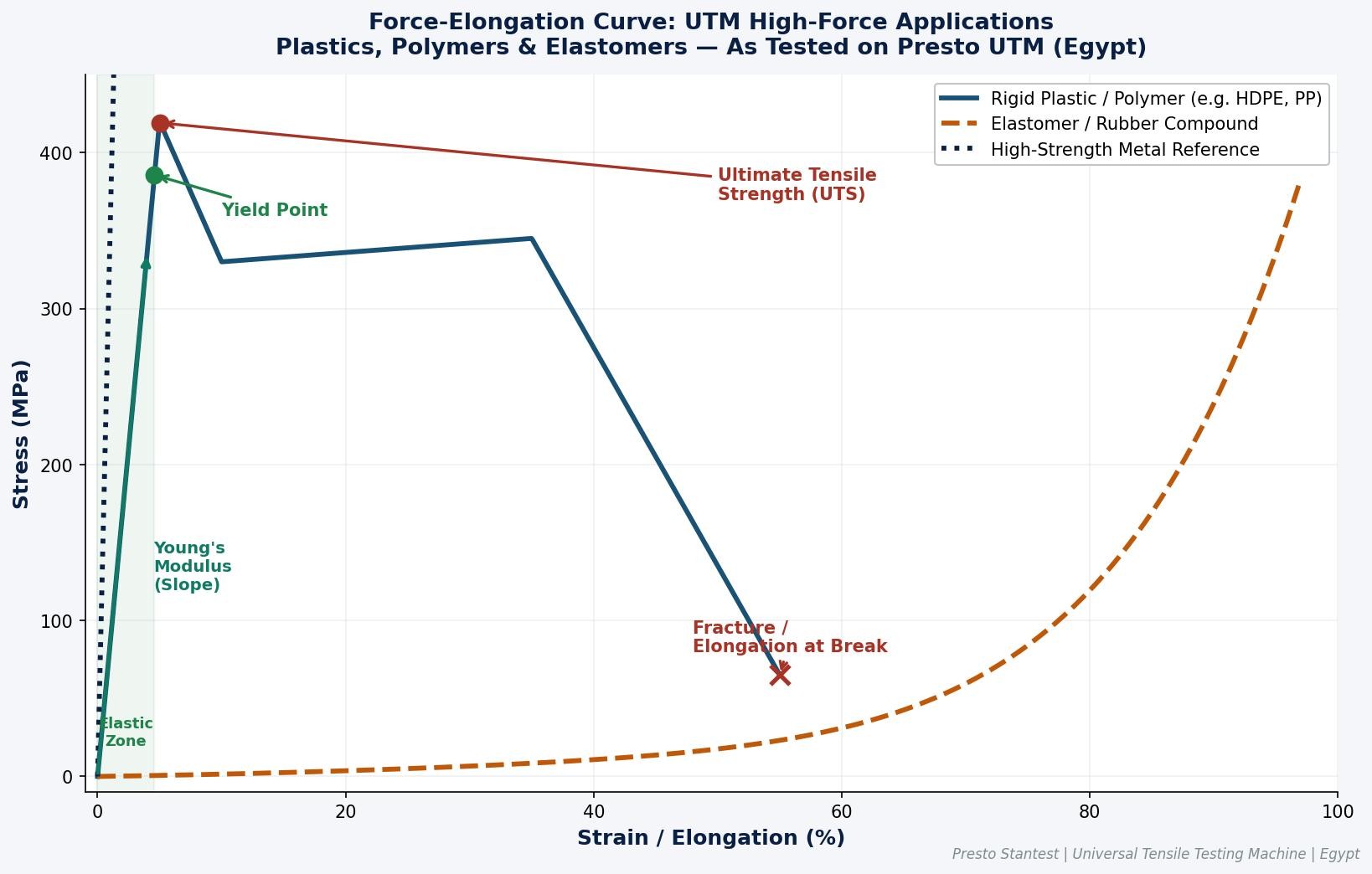
Figure 2: Force-Elongation Curves — Plastics, Polymers & Elastomers on Presto UTM (Egypt)
Manufacturing in Egypt includes oil, gas, petrochemicals, textiles, food packing, auto parts, and construction. Plastics, rubber, or polymer composites are each employed in each sector, with severe mechanical requirements to be met prior to release from the production line.
The oil and gas industry in Egypt requires tensile verification of incompatibility for HDPE pipe systems, elastomeric seals, and polymer-lined vessels with high forces found in the country's main refineries and downstream facilities in Suez, Damietta, and the Gulf of Suez corridor. A single seal failure in a pressurized oil line has consequences that no operator can afford—and no standard compliance document can substitute for a calibrated UTM test result.
Both the national road expansion programs and the New Administrative Capital of Egypt have a massive demand for PVC conduit, waterproofing membranes, and rubber expansion joints. Today, it is necessary for civil contractors in Egypt to do their own testing before installation. whether for materials like Portland cement that must be tested for their compressive strength or for structural polymer components that must be tested for tensile compliance when embedded in concrete or buried under road surfaces.
Flexible plastic films, laminated pouches, and stretch wraps used across Egypt's food and beverage manufacturing sector must withstand automated packaging line speeds without fracture. When carried out using a UTM, tensile and elongation testing confirm good seal performance and laminate bond strength and also film yield strength to minimize product loss, and complaints from retailers.
Greater Cairo/Alexandria assembly plants are all the local sources for rubber engine mounts, drive belts, and hose assemblies. These safety-critical parts need to meet ASTM D412 tensile and elongation criteria prior to fitment. This certification is made possible with a universal testing machine for polymers and rubber compounds.
Testing is only meaningful when it follows a recognized standard. Presto's universal tensile testing machine in Egypt is calibrated to support the following internationally accepted frameworks:
Manufacturers compliant with the standards can meet the Egyptian Organization for Standardization and Quality (EOS) import verification and international buyers' audit requirements—without the duplication of tests in frameworks.
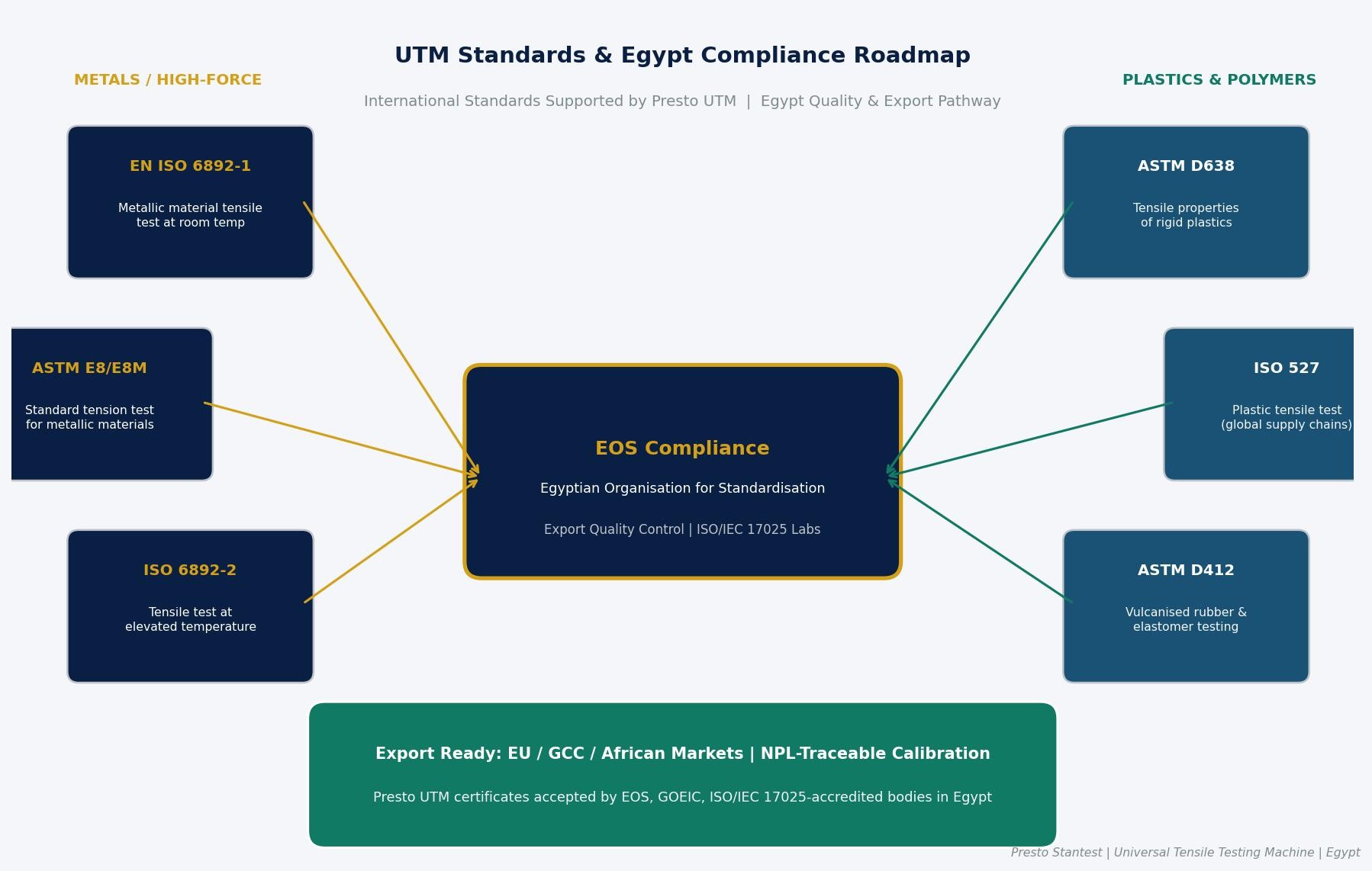
Figure 3: UTM Standards & Egypt Compliance Roadmap — EOS, GOEIC, and Export Pathway
Presto Instruments is a globally recognized universal testing machine manufacturer with decades of experience supplying precision instruments to the plastics, rubber, packaging, textile, and metal industries. As a trusted UTM machine manufacturer, Presto delivers machines to quality teams across Egypt and the broader MENA region.
| Capacity Range | 250 kgf to 10,000 kgf (custom beyond) |
|
Crosshead Speed | 1 mm/min to 500 mm/min (servo-controlled) |
|
Standards Supported | ASTM D638, ISO 527, ASTM D412, ISO 37, EN ISO 6892 |
|
Display & Software | WinTest data management — auto-report generation |
| Grip Options | Wedge, pneumatic, roller, vice-type: 25–700 mm span |
| Calibration | NPL-traceable; accepted by EOS and GOEIC Egypt |
| UTM Machine Price in Egypt | Competitive direct-manufacturer pricing — contact Presto |
Table 1: Presto UTM Technical Specifications — Egypt Market
The universal tensile machine price in Egypt varies based on load cell capacity, software configuration, grip package, and whether extensometer attachments are required. Presto's direct-supply model as a UTM testing machine supplier means buyers in Cairo, Alexandria, Port Said, and across Egypt receive manufacturer-grade instruments without regional distributor premiums. Both entry-level 250 kgf digital UTMs and high-capacity computerized UTMs with full software suites and extensometer integration options reflect a high level of investment, in line with the size of the quality program.
To get an accurate universal tensile machine price in Egypt that is customized to your material, capacity, and standard requirements, please get in touch with Presto to do a technical consultation and quotation.
1. What are the differences between a UTM and a standalone tensile tester?
A standalone tensile testing machine performs tension tests only. A universal testing machine adds compressive, flexural, peel, and shear test capabilities through interchangeable fixtures—making it a multi-mode platform. Presto offers both, and most UTM configurations are upgradeable with additional fixtures as testing requirements expand.
2. What form of grip should I choose for my material?
Wedge grips are used for rigid plastics and metals and allow for holding the specimens without slippage. Pneumatic grips are ideal for thin films and laminates where jaw pressure must be controlled precisely. Roller grips accommodate rubber dumbbell specimens without pre-stressing the gauge section. Presto's application engineers recommend the correct grip configuration based on material type and applicable standard.
3. Is Presto a recognized UTM tester supplier in Egypt?
Yes. Presto provides the laboratories and manufacturers in Egypt and the rest of the MENA region with universal tensile testing machines and offers technical support, calibration services, and spare parts to help machines perform for a long period of time. Calibration certificates can be traced to NPL-approved laboratories and are accepted by Egyptian regulatory bodies.
4. What materials can the Presto UTM test?
Beyond plastics, polymers, and rubber, Presto's UTM tests textiles, leather, films, adhesives, foams, and light metals—making it a versatile long-term investment for multi-material quality environments.
Elevate your quality assurance process to new heights
At Presto, we take pride in being Global manufacturers of Laboratory Testing Instruments for different industries.