
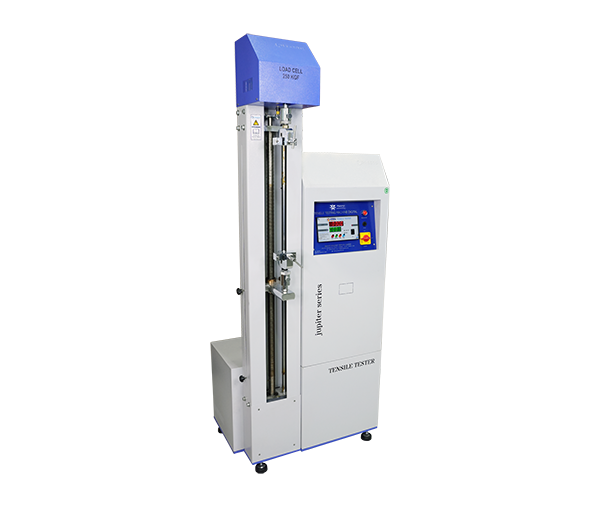
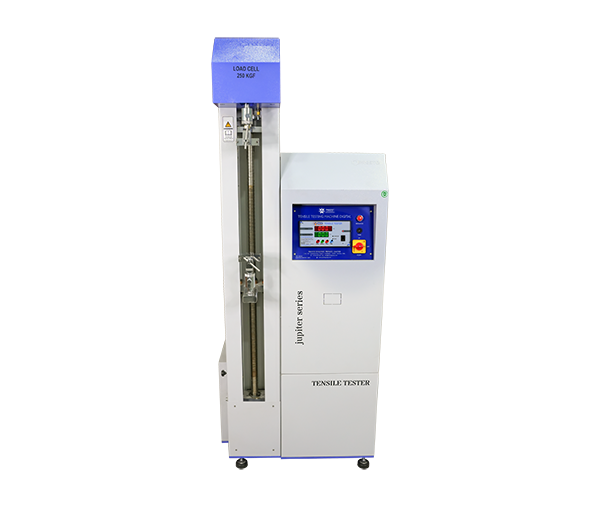
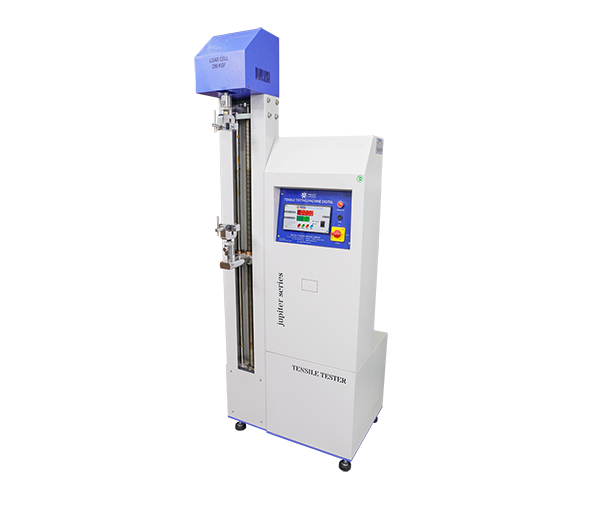
Model : TTM-S (as per capacity)
A tensile tester is an advanced testing device used to determine the mechanical properties of a material that is being pulled in a controlled manner and testing can help determine important properties like tensile strength, elongation at break, and the modulus of elasticity that can provide meaningful information regarding product quality reliability.
Essentially, tensile testing involves holding the specimen in the machine, applying a known tensile loads, and measuring the deformation and strain continuously in the material until failure occurs. This information provides evidence to the manufacturer or engineer for performance and compliance to industry standards, and sufficient evidence to test the material selection for the application.
A tensile strength tester in zambia is a specially designed machine and apparatus for the examination of material specifications/properties as related to tension, tensile strength, elongation, and elasticity. The tensile test is conducted by holding a specimen in place in a fixed grip and applying a known tensile load to the test specimen until the specimen fails. The resulting deformation of the material is recorded until it reaches failure. This information provides relevant specification, quality and performance information of the material.
A tensile testing machine applies a well-defined and increasing tensile load to a material specimen until it fails. The specimen is fixed to two grips, holding it straight so it can be pulled uniformly. While the tension is being applied to the specimen, sensors will track the tensile load being placed on the material along with the elongation or other deformation of the material due to the load.
While recording both load and elongation data, the data can be used to generate a stress-strain curve which can contain valuable mechanical properties including tensile strength, yield strength, elongation at break, and modulus of elasticity. Using the property values derived from mechanical property analysis, the manufacturer's and engineer's ability to assess quality, support evidence of conformance, and recommend manufacturing and product designs can be done in safety.
Correct Material Characterization
A tensile tester in Zambia industry provides accurate measurements of mechanical properties, including tensile strength, elongation, and elasticity. This accurate characterization provides an understanding of how a material will perform under in-service loads, allowing designers and manufacturers to design, quality test and select materials to produce safe and reliable products, as well as improvements.
Quality Assurance
A tensile tester will help to verify that materials meet specific standards and specifications by testing them before they are taken into production or service. The tester will also detect defects in materials; thereby reducing the possibilities of failure and improving product consistency and standard quality throughout the manufacturing process.
Product Development Support
Tensile testing provides vital information during R&D to devise new materials or to improve existing ones. By understanding how materials perform under stress, manufacturers can optimize formulation, select appropriate materials, and design components that successfully meet performance, durability, and specifications requirements.
Compliance with Industry Standards
Tensile testers help to confirm that materials are compliant with international standards as well as industry standards such as ASTM or ISO. Being compliant is crucial for certifications, safety codes, and customer confidence so companies can sell products knowing they are compliant.
Failure Analysis and Troubleshooting
Tensile testing can provide information about the failure mechanisms of materials by characterizing the stress-strain response. This can guide the engineering effort to identify potentially weak links in a design, refining how something is made, and avoid similar failures, all in an effort to reduce production costs, warranty costs, and provide a safe and durable finished product.
Metal and Alloy Testing
A tensile tester is utilized to evaluate metals and alloys concerning their strength, ductility, and elasticity. This allows producers to have confidence that structural components are within safe limits for operations, that can be utilized as safely designed and constructed for their use in the building, automotive, aerospace, and heavy equipment industries in Zambia.
Plastic and Polymer Testing
In plastics, tensile testers checks the mechanical properties of polymers, sheets, and films. This assessment of the material helps in showing the product can withstand stretching, flexing, and stresses encountered during fabrication as well as in the final application; this provides critical information for design specifications, quality assurance and control, and correct polymer selection for the appropriate application.
Textile and Fabric Testing
Tensile testing determines the strength and elongation of threads, yarns, and fabrics. It aids textile producers in assessing durability, elasticity, and performance under tension, ensuring fabrics are up to standard and perform as expected in clothing, upholstery, and industrial textiles.
Rubber and Elastomer Testing
Tensile testers evaluate the stretch capability, tensile strength, and elasticity of elastomers and rubber materials. This is significant in applications like seals, gaskets, tires, and flexible components, where the performance of materials in a state of tension impacts durability, safety, and efficiency of operation.
Composite Material Testing
For lightweight load-bearing composites in aerospace, automotive, and sports applications, tensile testing measures fiber reinforcement, bond or adhesion integrity, and load-carrying capacity. Properly conducted tensile tests verify composites conform to design loads, will fail under non-destructive application, and can retain structural integrity under service loads of an incipient failure or complete failure mode.
Research and Development
Tensile testers are often used in R&D for developing new materials, improved formulations, and testing an experimental sampling. The understanding of the stress-strain behavior will allow engineers to specify or alter material properties, develop new product design strategies, and improve performance for either industrial or consumer products.
The Presto Instruments Tensile Tester is an exceptionally reliable and well-built testing machine designed for accurate and consistent results across a variety of materials. Equipped with advanced load cells, digital controls, and high durability, it allows you to accurately measure tensile strength, elongation, and all the mechanical properties.
Presto’s tensile testers follow international testing standards, such as ASTM and ISO, confirming it is ready for global reliability. The user-friendly interface or ergonomics and durable construction are suitable for lab environments as well as production units. Presto Instruments is a reliable brand for quality testing and performance assurance, which offers extaordinary service after the sale, calibration, or technical assistance.
Presto Instruments is a leading manufacturer and supplier of Tensile Strength Testing Machine in Zambia. For the best price, contact us for a quote or call now!


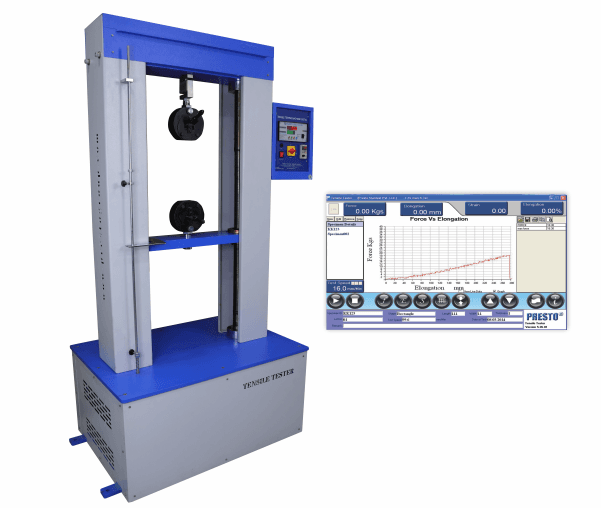
The Digital Tensile Testing Machine (Capacity: 2500KG) is a robust and precise instrument designed to measure tensile, compression, and elongation properties of materials. Featuring a digital display for accurate readings and user-friendly controls, it ensures reliable performance for quality testing in labs and industrial applications.
Read More
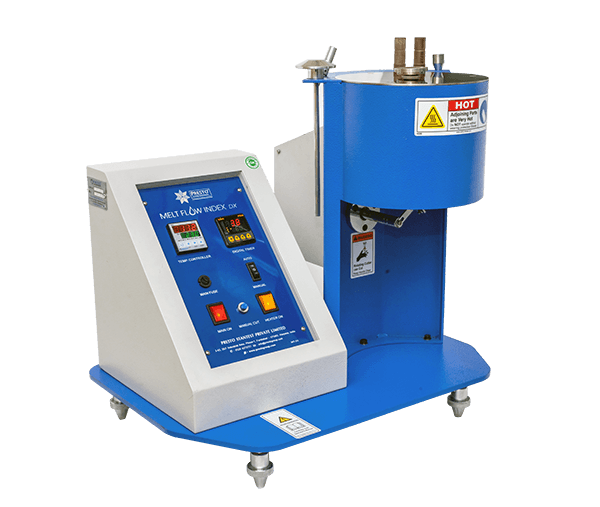
The Presto Melt Flow Index Tester is your go-to solution to evaluate the flow properties of molten plastics or resins. This tester is designed to measure the Melt Flow Index of thermoplastic materials and, hence, determines the rate of flow in grams per ten minutes of molten resins through a specific jet length and diameter.
Read More
At Presto, we take pride in being Global manufacturers of Laboratory Testing Instruments for different industries.